You left Bangladesh, took out a loan or used your family’s savings, and now you’re sitting in a dorm in Australia or Canada doing the math. Tuition is done. But rent, food, transport, and your phone bill aren’t.
Your student visa lets you work, but campus jobs fill up fast and part-time hours cap out. So you start thinking: can I make money online?
The short answer is yes. But how you do it matters more than people admit.
Your Visa Comes First. Always.
Before anything else, you need to understand what your student visa actually allows.
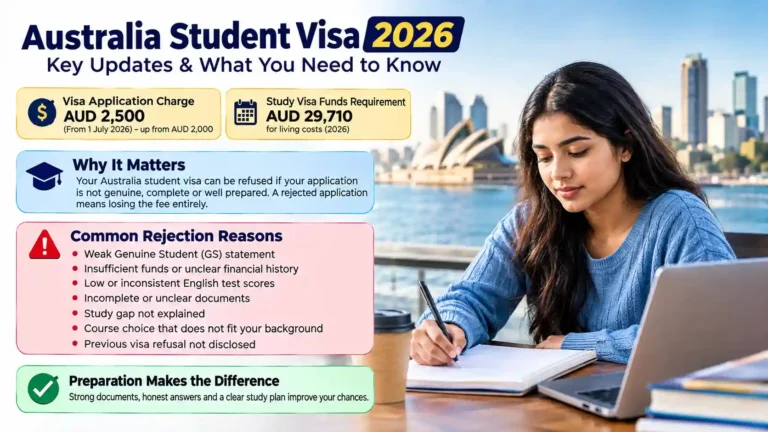
In Australia, a student visa (subclass 500) allows up to 48 hours of work per fortnight during study periods. That cap applies to on-ground work.
Freelance income through platforms like Fiverr or Upwork is generally counted as work under Condition 8105 of the student visa, meaning it still falls under the 48-hour fortnightly cap. Rules vary by country, so always verify with the Department of Home Affairs or your university’s international student office.
In Canada, on a study permit, you can work up to 24 hours per week off-campus. Again, online freelancing doesn’t always fit neatly into “employment” definitions.
The honest advice: check the official immigration website for your host country, or speak with your university’s international student office. Don’t rely on Facebook groups for this. Getting it wrong can cost you your visa.
What Actually Makes You Money Online as a Student
Most articles throw a list of 30 options at you. Here’s what’s realistic when you’re a Bangladeshi student who has limited time, possibly limited internet speed, and is learning a new country at the same time.
Freelancing With Skills You Already Have
If you came through a science or business background from a Bangladeshi university, you probably have real, usable skills. Data entry, research, Excel, basic graphic design using Canva, and content writing in English are things clients pay for right now.
Fiverr and Upwork are the two main platforms. Fiverr is easier to start on because you set up a “gig” and wait for buyers. Upwork requires you to bid for jobs, which takes more effort but usually pays better.
Starting rates are low. A data entry gig might pay $5 to $10 per task in the beginning. But after 10 to 20 reviews, your earning potential changes significantly. One Bangladeshi student studying in Melbourne mentioned earning AUD 200 to 300 per month doing PDF-to-Excel conversion work after 3 months on Fiverr. Not life-changing, but enough to cover groceries.
One real thing to know. Payoneer is the easiest way to receive international payments from these platforms and then transfer them to your Bangladeshi bank account if needed. Creating a Payoneer account as a student is straightforward.
Teaching or Tutoring Online
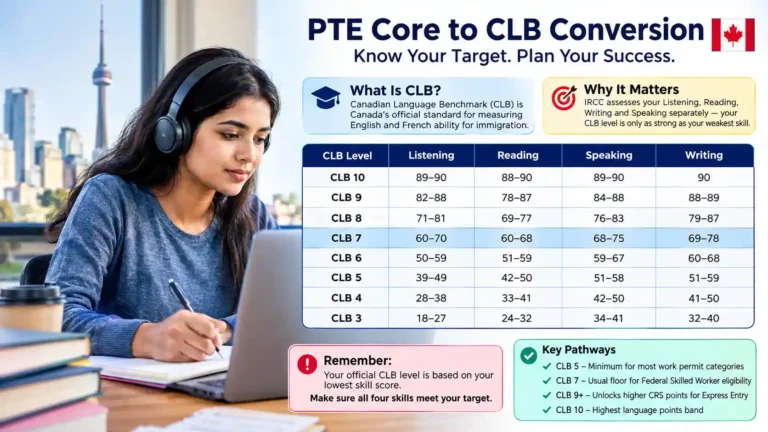
If your English is strong and you have an IELTS 7+ or PTE 75+ score, that credential alone is worth something. Platforms like Preply and iTalki let you teach English or your subject area to students around the world.
Many Bangladeshi students have also built a small tutoring income, helping students in Bangladesh prepare for HSC or SSC exams over Zoom. This is informal but very real. Rates vary, but BDT 500 to 1,500 per hour for online tutoring from a “student abroad” is normal to charge back home.
Content Creation (Realistic Version)
YouTube and blogging take 12 to 18 months before they pay anything. Don’t count on this for quick income.
But if you already have a following on Facebook or YouTube from Bangladesh, you can monetise that existing audience. Some Bangladeshi students studying abroad have grown channels around student life abroad, visa tips, or IELTS preparation. These build slowly but combine an audience from back home with credibility from being overseas.
One specific thing worth knowing, YouTube monetisation requires 1,000 subscribers and 4,000 watch hours. That’s a long road for most beginners.
Micro-Tasks and Surveys (Low Effort, Low Pay)
Sites like Amazon Mechanical Turk, Clickworker, and Prolific (especially good for academic surveys) pay small amounts for tasks like tagging images, writing short descriptions, or filling surveys.
Prolific pays better than most survey sites, typically around $6 to $12 USD per hour for academic research studies. It’s not a career, but it works in free gaps.
The Tax Question Nobody Mentions
If you earn online income in a host country, you may be required to declare it. Australia’s ATO and Canada’s CRA both consider freelance income taxable if you are a resident for tax purposes.
This surprises a lot of students. Keep records of what you earn and when. Talk to your university’s student support service or a free tax clinic (most Australian and Canadian universities partner with these) when tax time comes.
A Practical Comparison of Online Income Options for Students
| Method | Time to First Income | Realistic Monthly Income | Skill Needed |
| Fiverr / Upwork (freelancing) | 2 to 6 weeks | $50 to $300 | Yes |
| Online tutoring (Preply, Zoom) | 1 to 2 weeks | $100 to $400 | Teaching ability |
| Prolific surveys | Same day | $20 to $60 | None |
| YouTube/content | 6 to 18 months | $0 to variable | Consistency |
What Most Articles Won’t Tell You
The biggest mistake students make is spreading attention across too many platforms at once.
Pick one method, do it for 60 days, and build a small track record. One good Fiverr profile with 15 honest reviews will earn more than five half-built profiles on five platforms.
Also, your time is genuinely limited. You came to study. Your degree outcome still matters more than your Fiverr rating. The goal is sustainable side income, not a second full-time job.
Start small. Be consistent. And make sure whatever you’re doing fits within what your visa allows.
That last part isn’t bureaucratic advice. It’s the most important thing on this list.